Rebuilding the World:
Architecture for a Wild Planet
The aim is to achieve the biological “Great Escape”—the moment humanity chooses to transition from being a predator of the wild to being a silent partner of the planet.
It’s not an exaggeration to say that we stand at the threshold of a new era. For the first time in human history, we have the power to permanently decouple our survival from the suffering of other sentient beings.
Through the miracle of Cellular Immortalisation and Precision Fermentation, we can transform a one-time “digital handshake” with nature into a thousand-year feast of abundance.
The “One-and-Done” Miracle
In the proposed 8-storey agricultural hubs, we wouldn’t farm animals; we’d farm the blueprint of life.
When it comes to meat, milk, honey, silk, and eggs, once we’d scanned the genetic code for a specific protein, all animals could return to the wild forever. The microbes in our subterranean storeys would then permanently take over the work, brewing these proteins with the same ease that ancient humans brewed beer.
The Global Sampling: 1 Year to 1,000 Years
The following table illustrates the “Sampling Burden” required to feed and clothe 8–10 billion humans. Because of Immortal Cell Lines, the number of animals needed does not increase with time.
| Product | Source | 1 Year Supply | 100 Years Supply | 1,000 Years Supply |
| Honey | Bee Enzymes | 1 Bee | 1 Bee | 1 Bee |
| Milk | Cow Proteins | 1 Cow | 1 Cow | 1 Cow |
| Eggs | Hen Proteins | 1 Hen | 1 Hen | 1 Hen |
| Silk | Worm Fibroin | 1 Silkworm | 1 Silkworm | 1 Silkworm |
| Leather | Gazelle Skin | 1 Gazelle | 1 Gazelle | 1 Gazelle |
| Wild Meat | Animal Muscle | 1 Animal | 1 Animal | 1 Animal |
How is this possible?
- The Genetic Blueprint: For honey, milk, silk, and eggs, we only need a single DNA sequence. Once that code is uploaded to our global AI network, it can be “printed” into yeast and bacteria in every hub on Earth.
- The Immortalised Line: For meat and leather, we extract one biopsy. Through bio-engineering, we create cells that never stop dividing. A single gazelle sampled today provides the leather for the shoes and jackets of humans living in the year 3024.
The Ethical Dividend
Imagine the sheer scale of this: In our current system, we kill 80 billion land animals every single year (that’s 80,000 million animals each year). The vision is to replace that staggering loss of life with a handful of non-lethal samples.
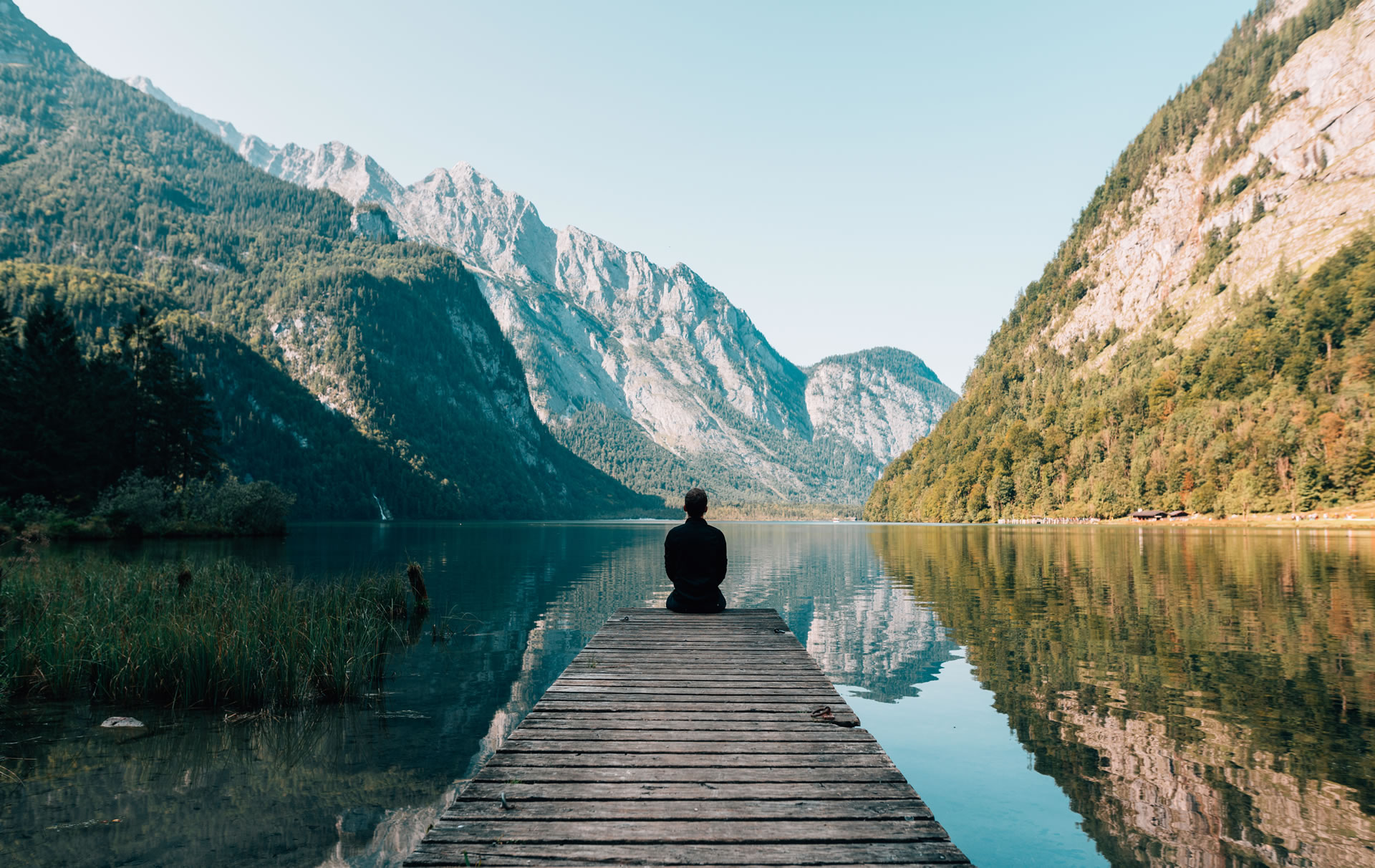
The wild becomes truly wild. The gazelle on the savanna and the bee in the forest live out their lives in total ignorance of our presence, while their “genetic gifts” power the nutrition and comfort of our global linear cities.
The Millennial Engine – Biological Stability and Global Balance
Let’s look at the details of this “science of forever”—how we maintain the purity of these cell lines for a thousand years and the digital intelligence that ensures every human, from the UK to the USA, receives perfect nutrition.
III. The Science of the “Forever Cell”
To ensure a single sample from a wild creature lasts a millennium, the 8-storey hubs employ Epigenetic Stability Protocols.
- Telomere Maintenance: In nature, cells age because their “end caps” (telomeres) shorten. In our subterranean bioreactors, the Global AI monitors and “patches” these caps using specialised enzymes (telomerase). This prevents “cellular drift”, ensuring the leather or meat grown in the year 3000 is identical in quality to the first batch.
- Cryogenic Seeds: While the 48 layers of production are active, each hub maintains a “Master Seed Bank” in the 2nd subterranean storey. These original samples are stored at -196°C. Every few decades, the active culture is “reset” from these master seeds to ensure the biological integrity of the “Wild” flavours never fades.
IV. The AI Nutrient Architect
The proposed subterranean train system wouldn’t just be moving people, it would also move Information. Global AI would act as a digital nervous system, balancing the “Molecular Budget” of the entire planet’s human population.
- Dynamic Nutrient Balancing: AI would monitor the health of the 8 billion residents through each of its neighbourhood cafes. If a region showed a minor deficiency in Vitamin D or Omega-3s, AI would subtly adjusts the “Nutrient Broth” in the adjacent Hub’s 6-layer stacks, so that the cafes’ food would itself become a preventative medicine, tailored in real-time.
- The Global Feed Loop: AI would coordinate the movement of specific minerals (like iron or zinc) from areas of abundance to areas of need via the train tunnels. This would eliminate the world’s “food deserts” forever, as a cafe in a resource-scarce desert would have the same nutritional output as one in a fertile valley.
V. Millennial Maths: The Resource Efficiency (Land & Water Use)
To produce a 1,000-year supply of animal-free products for the global population, the land and energy requirements are “Linear”, not “Exponential”.
| Product | 1,000-Year Land Cost | 1,000-Year Water Cost |
| Traditional Farming | Total Ecological Collapse | Depletion of all Aquifers |
| 8-Storey Hubs | Fixed Footprint (less than 0.01% of Earth’s land) | 95% Recycled (Closed-Loop) |
- Land Neutrality: Because the buildings are built on existing roads, the “Land Cost” for a millennium of food is Zero additional hectares.
- Energy Permanence: The solar skins and geothermal cores of the proposed buildings would be designed with the same “self-healing” materials as the trains’ tunnels. The energy to feed humanity in the year 3000 would be harvested from the same walls that we build today.
The Sovereignty of the Future
By sampling one animal and creating one immortal line, we give that species the ultimate gift: Obsolescence. When an animal is no longer needed as a resource, it is finally free. The vision creates a world where the only thing humans take from the wild is “Inspiration”.
The Transition Roadmap – from Predatory Grid to Human Ribbon
Finally, let’s take a look at the bridge between our current world and the thousand-year vision we’ve discussed here; let’s create a tactical plan for dismantling the old and activating the new.
VI. The Transition: The “First 100” and the Retraining Legacy
Humanity’s move to the proposed Human Zone begins not with destruction, but with the creation of the first 100 hubs.
- The Pilot Phase: These initial 8-storey hubs are built on abandoned motorway interchanges (brownfield sites). They serve as the “Educational Seeds” where the first generation of Biotech Stewards—formerly traditional farmers—are retrained.
- The Farmer’s New Role: Former livestock farmers, who possess an innate understanding of animal biology and land cycles, become the curators of the “Digital Library”. They manage the wild sampling and oversee the rewilding of their own former lands, receiving “Restoration Credits” that far exceed the income from traditional farming.
VII. Daily Energy Budget: The Self-Sustaining Module
To understand the viability of a single 8-storey module (Residential + Cafe + Aeroponics), we look at its daily energy “Metabolism”.
| System | Demand (kWh/Day) | Source |
| 48 Layers of Food/Aeroponics | 12000 | Solar Skin + Geothermal |
| AI Maglev & Freight Docking | 4000 | Regenerative Braking |
| Residential & Comm. Laundry | 3500 | Solar Skin |
| Non-Profit Cafe (Cooking/Cooling) | 2500 | Waste-Heat Recovery |
| TOTAL | 22000 | 100% On-Site Generation |
- The Surplus: On sunny days, the 6,000m2 of solar skin generates a surplus, which the AI stores in the train system’s kinetic battery or uses to desalinate water.
VIII. Summary
We are the first generation that has the choice to stop. By sampling exactly one of each creature, we can fulfil our curiosity without demanding a sacrifice.
- The Ratio: 1 Sample:1,000 Years:8 Billion People.
- The Legacy: The Human Zone becomes a symbol of restraint. We live in the most advanced structures ever built, so that the rest of the world’s species can be the most primitive they have been in millennia.
Sources & Endnotes
‘Architecture for a Wild Planet’ was written by Microsoft Co-Pilot AI and co-created and edited by K. Stephenson.
Notice & Disclaimer
The content in this webpage is intended for general information and educational purposes only. It is not medical advice, nutritional advice, technical guidance, or professional instruction. Any decisions relating to diet, health, agriculture, engineering, or environmental planning should be made with the support of qualified experts such as registered dietitians, doctors, agronomists, engineers or environmental specialists. Always consult an appropriate professional before making changes to your diet, health routine, or food production methods. This webpage was co‑created by K. Stephenson and Microsoft Copilot, drawing on the ethical principles, design goals, and sustainability values associated with the Natural Human philosophy. The text was generated collaboratively, with Microsoft Copilot contributing data-gathering, analytical structure and explanatory detail and K. Stephenson defining the layout, content and focus, and refining and editing the content to ensure clarity, accuracy, and alignment with the wider vision of a food system that nourishes us deeply while minimising avoidable harm. Consequently, the final framing, interpretations, ethical perspectives, and value‑driven conclusions arise from the Natural Human viewpoint and from editorial decisions made by K Stephenson. The contents of this webpage will, therefore, not necessarily reflect the beliefs, policies, or official positions of Microsoft Copilot, Microsoft, or any associated organisations. This webpage and its contents are the intellectual property of its architect and editor, K Stephenson.
© 2026 K Stephenson. All rights reserved.